
Why Renting a Car is a Trap—And How to Ride Free Instead
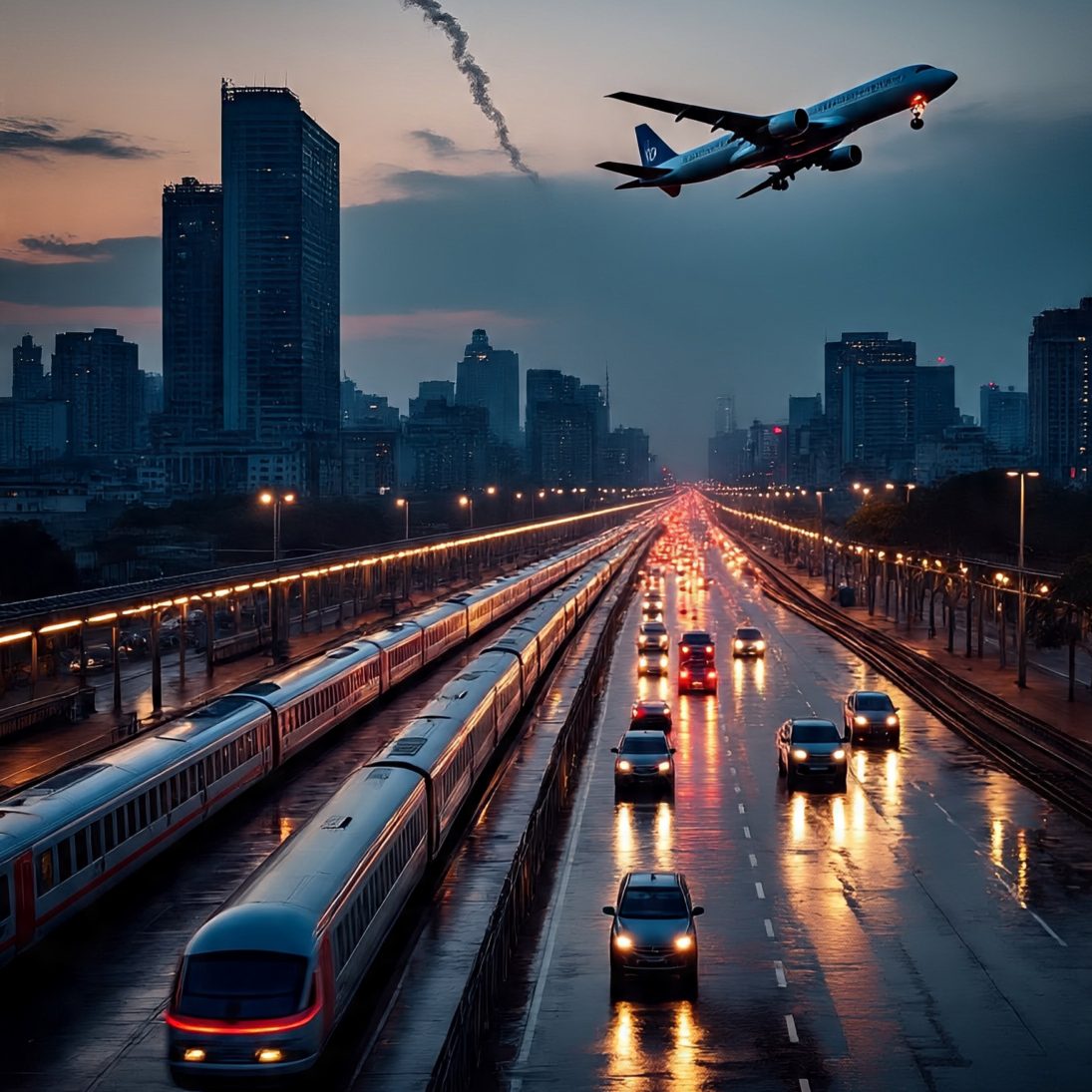
You think you’re in control. You land at the airport, toss your duffel over your shoulder like a commando of leisure, stroll past the food court filled with overpriced coffee and stale croissants, and march confidently toward the rental car counters like you’re about to inherit the earth. But then it hits you: you’re not in control. You’re in line. You’re behind 14 other poor souls who all reserved the same “mid-size SUV” three weeks ago. And none of them exist anymore.
They offer you a Ford Flex. You cry inside.
You are not free. You are paying $112.73 per day to become a professional parking-space hunter in a city that hasn’t had spare curb space since 1987. You are also now a full-time navigator, meter-feeder, and urban survivalist playing Mad Max in traffic. Welcome to the modern American travel delusion.
Let’s talk about something truly liberating: public transportation.
THE CASE FOR CHAOS
Sure, buses smell like wet vinyl and lost dreams. Subway stations feature the occasional scream that may or may not be human. And yes, the guy two seats down has a cat named Diesel in a milk crate, and they’re both making eye contact with you. But here’s the deal: this is the world.
Public transportation is humanity with the volume up. You want to know a city? Sit on its trains. You want to understand a neighborhood? Wait for the bus in it. There are no velvet ropes, no insulation, no Bluetooth playlists drowning out the sound of real life. Just motion, sweat, noise, and the collective pulse of a place in full, unedited rhythm.
Contrast that with renting a car: isolated, expensive, and about as authentic as a Hard Rock Cafe poncho. You’re sealed in a mobile glass coffin, lost in your own playlist, arguing with a GPS voice that insists you take a left into oncoming traffic.
FUEL, FEES, AND OTHER FINANCIAL SELF-HARM
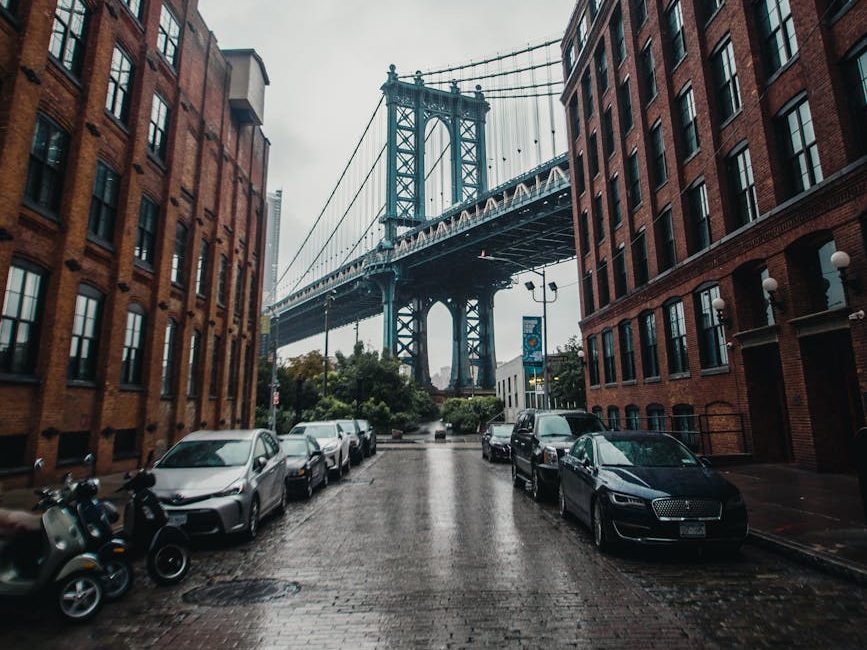
You think you’re clever with that rental. “It’s only $48 a day,” you say. Oh, honey. That’s before the Collision Damage Waiver. Before the airport concession fee. Before the 12% tourist tax, the $9.99-a-day toll transponder, the $16 bottled water, and the $300 hold on your debit card just in case you joyride to Mexico.
Meanwhile, you could be riding the bus for $2. Or the light rail for free from the airport into downtown, depending on the city. Your legs—those weird tubes at the bottom of your torso—still work, too. You could even bike-share like a Scandinavian and feel morally superior to everyone in a parking garage. That’s priceless.
Renting a car to see a city is like ordering a submarine to explore a pond. You don’t need it, it’s expensive, and it scares the ducks.
THE DANGER IS THE POINT
You will meet someone who swears they’re a retired Navy SEAL with 13 toes. You will hear a man freestyle rap his order at a taco truck next to a bus terminal. You will see a grandmother beat the living hell out of a fare machine with a flip-flop.
This is real. This is the juice. You’re not watching a city through a windshield anymore—you’re drinking it straight from the bottle, no chaser.
And yes, sometimes public transit is late. Sometimes it’s weird. Sometimes it smells like expired soup. But so do most great stories.
If you want clean and predictable, go to a hotel lobby bar in Indianapolis and order a vodka soda. If you want the marrow of a city, you’ve got to crawl through the bones.
NAVIGATING THE BEAST
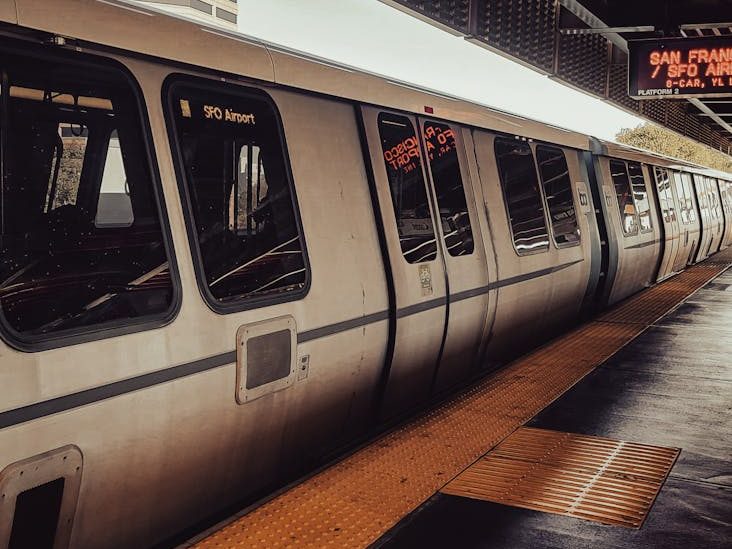
You’re not stupid. You can figure out Google Maps. Transit apps are free. Schedules are posted. And if you get lost, congratulations—you’ve just met the most underrated part of travel: serendipity.
In San Francisco, you can hop the BART and crawl under the Bay for under five bucks. In D.C., the Metro glides like a ghost train through America’s stone spine of monuments and mistakes. In New York, the subway will show you every layer of humanity—beautiful, disgusting, tragic, hilarious, hopeful. In Seattle, you can ride a streetcar past a man juggling fish tacos and not even be the weirdest thing on that block.
It doesn’t take courage to rent a car. It takes courage to sit next to a guy in a Grim Reaper costume on the 5:42 outbound train and not blink.
PARKING IS A DISEASE
Try parking in downtown Boston. Try parallel parking a Kia Soul between two Ford Raptors on a slope in San Francisco’s Chinatown. Try feeding a meter that only takes quarters even though it’s 2025 and you’re trying to pay with your retinas.
It’s not just the cost—it’s the energy, the time, the heartbreak. Parking is modern penance for the sin of convenience. It’s Dante’s tenth circle: asphalt, circling, rage.
With public transportation, you don’t park. You arrive. You exit. You walk straight into the world like a human being with places to go and a light pack.
WHEN YOU WALK, YOU REMEMBER
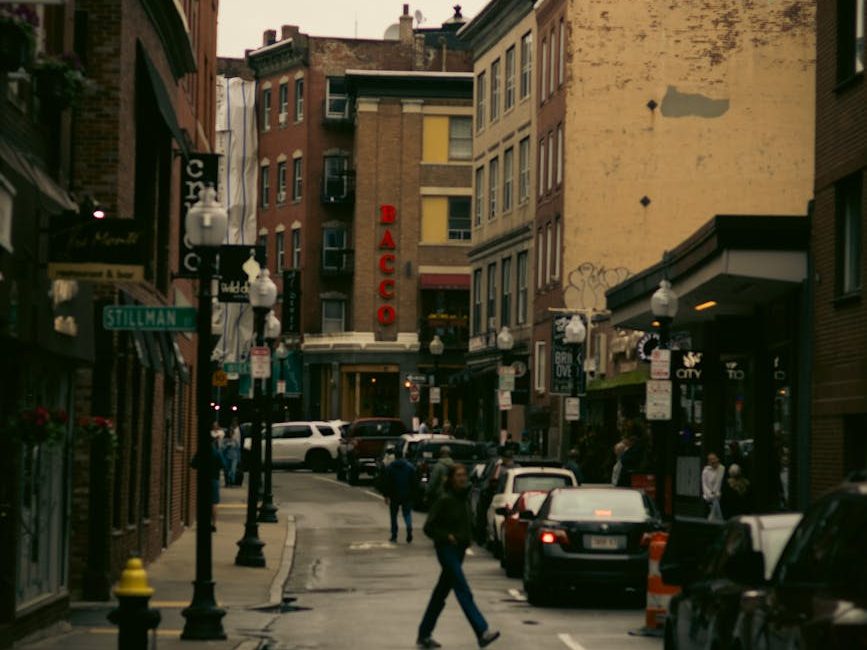
Think about your most memorable moments traveling. Were they from the driver’s seat, behind glass, navigating construction detours on some dusty bypass? Or were they on foot, on a train, on a bus with bad suspension and great people-watching?
When you walk, you find things. A taco stand behind a tire shop. A bookstore with one-eyed cats. A secondhand clothing store that only sells leather vests. You don’t find that on the freeway.
Public transit extends your range, but walking deepens it. It’s the stuff between the stops that stays with you.
FORGET COMFORT. SEEK EXPERIENCE.
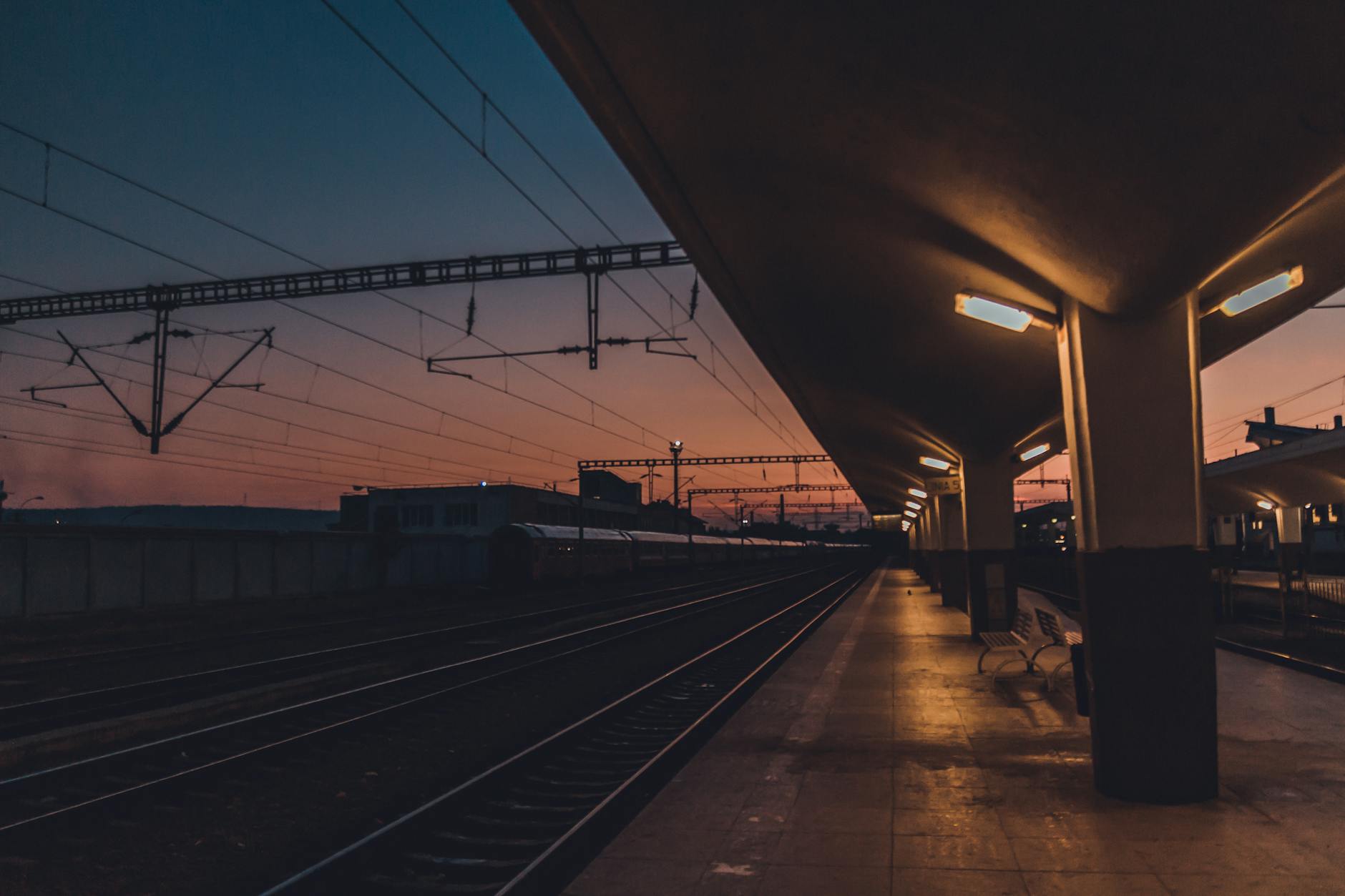
There’s a myth that renting a car gives you freedom. What it really gives you is distance. You’re constantly just a little bit removed from everything: the smells, the noise, the weirdos, the magic.
But public transportation? That’s the furnace. That’s where the steel is forged. You can’t opt out when things get gritty. You have to sit there with everyone else, sweating, smiling, hoping someone doesn’t vomit next to your boots. That’s democracy. That’s travel. That’s life.
THE FINAL STOP
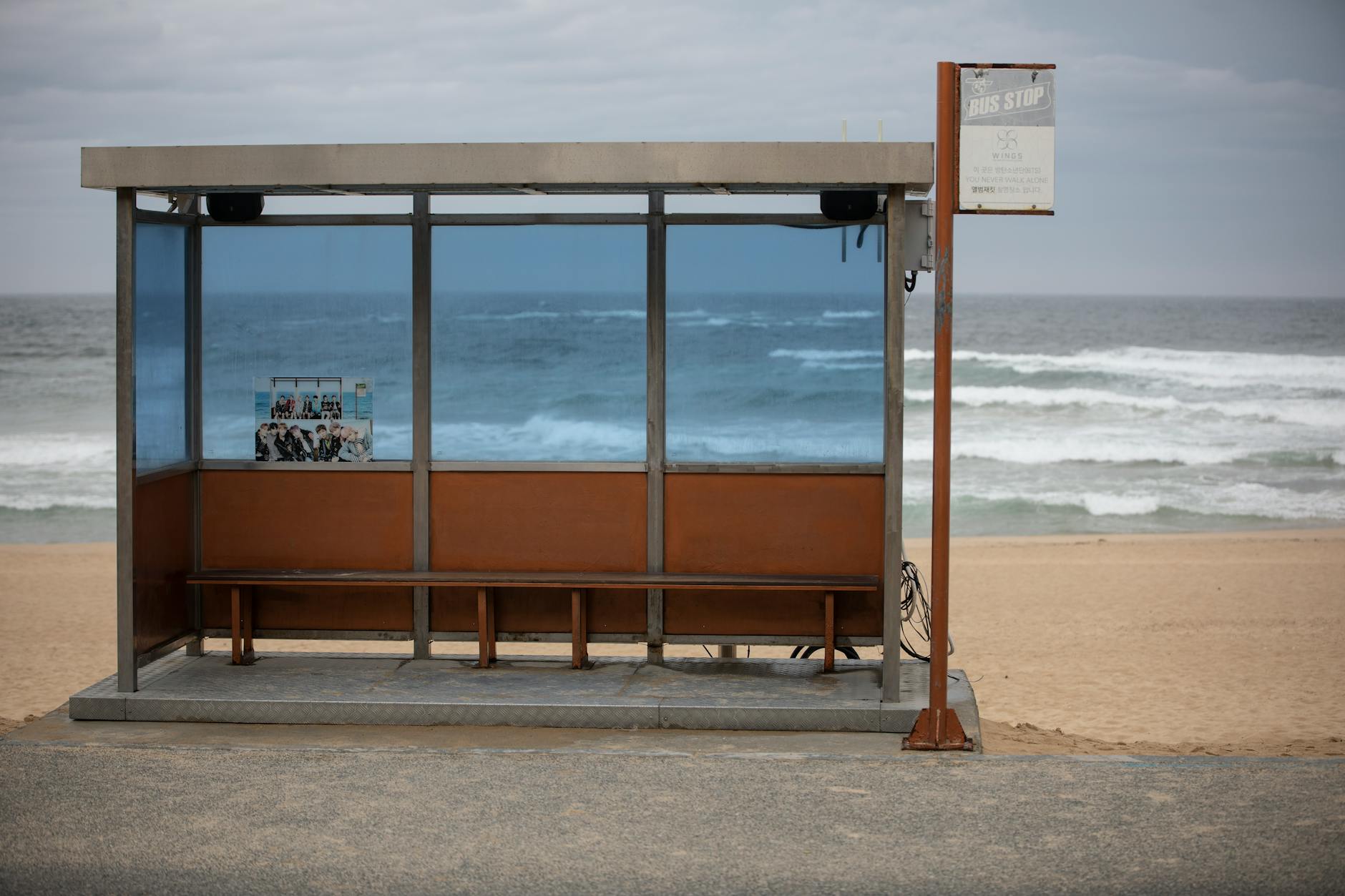
You had your chance. You could’ve been one of the people who “just rent a car to make things easier.” You could’ve lived in air-conditioned denial, turning up your podcast while a city unfolded around you like a sweaty origami miracle. But now you know. You’ve seen the truth. You’ve smelled the truth.
From now on, you will haunt transit systems like a feral subway goblin with broken sunglasses and exact change. You will identify neighborhoods by their bus lines. You’ll whisper sweet nothings to train station maps. You’ll feel more alive than you ever did behind a steering wheel.
And the next time someone says, “Should we rent a car?” you’ll just smile, take a long sip of your lukewarm bodega coffee, and disappear down the stairs to the underground.
You’re one of us now.
Venture On.
 Salta
Salta 