

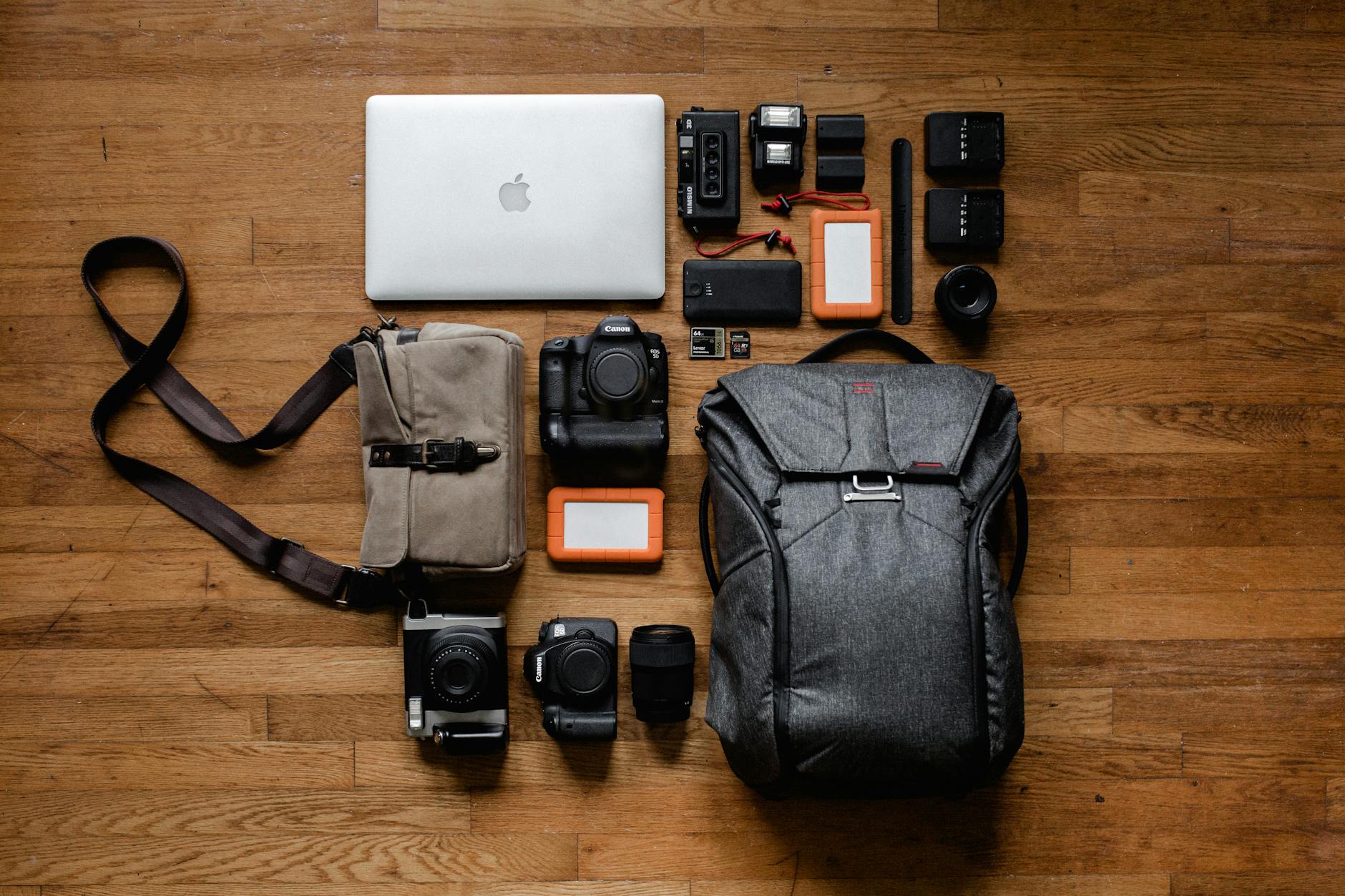
Personal item only. One roller and a backpack. Everything + the kitchen sink in two checked bags. You’ve got three choices when you travel, and all of them come with risks. People obsess over what to bring, but this isn’t a packing list. This is a field manual for not screwing yourself over, no matter how much you carry.
Whether you’re a minimalist or a maximalist, the same rule applies: your bag is either working for you, or it’s working against you. Here’s how to pack like you’ve done this before and not get wrecked in the tiny airport bathroom stall with everything you own.

PERSONAL ITEM ONLY: WHEN YOU PACK LIKE A COLD-BLOODED SOCIOPATH
You are a shadow, a ghost, a menace to the gate agents who beg you to gate-check. You don’t owe anyone an explanation. Your backpack fits under the seat, and inside that thing is your entire life for the next 2–7 days. This kind of travel isn’t for everyone. It requires sacrifice. Precision. An almost antisocial comfort with being a little filthy, a little cold, or a little over/under dressed.
This method isn’t about what fits. It’s about what matters. You’re choosing to enter travel with constraints so tight they become a kind of freedom. There’s no debate over which jacket to bring. There’s only the jacket. There’s no second pair of shoes. There are shoes.
This kind of packing forces you into a lean and hostile mindset. You learn to choose multi-use items. You roll your socks into the corners of your bag like you’re defusing a bomb. You shove chargers into your shoes. You say things like “I’ll wash it in the sink,” with the manic confidence of someone who’s absolutely not going to do that.
Here’s what matters: you keep it close, you keep it light, and you never look like you’re struggling. Backpacks are notorious for being under scrutinized but don’t abuse this pass. Try as best as you can to find a bag that fits under the seat. Airlines proudly display their individual personal item sizes on their website so take a gander before you go shopping. Otherwise you will gate check, and you will forget your Lithium batteries, and they will deplane your bags leaving you naked at your destination.
The personal item method is best for the following types of people:
- True weekend warriors. 2-3 days MAX.
- Urban prowlers who dress in layers and don’t mind sweating through denim
- Shameless outfit repeaters
- People who have been arrested before and know how to live with less
You can only do this if:
- You’ve made peace with discomfort
- You’re okay doing laundry mid-trip
- You can survive without your favorite anything
- You don’t need “options”—you are the option
This is not glamorous. You will spill something on your only pair of pants and mutter dark prayers to dry it before the night train. But you’ll move through the world like a thief. Light. Quiet. Ready.
And when you sit down in your seat with nothing in the overhead bin, watching everyone else wrestle their nonsense into place, you will feel holy. Untouchable. You will smirk, just slightly. And someone, somewhere, will hate you for it.
Their is nothing like the feeling of not lugging, dragging, carrying or pulling 30-50 extra pounds of stuff through the airport, transportation and streets of where you end up. Take our word for it.

1.5 BAG TRAVEL: WHEN YOU’RE NOT A PSYCHOPATH BUT STILL HATE BEING SLOWED DOWN
This is the sweet spot. The power move. A carry-on + personal item. Ideally the carry on as a rolling suitcase and the personal item as a backpack. You could do both backpack but then you’re that guy with a backpack and a front pack and no one wants to be that guy.
You have options. Not many, but enough. You can move fast but still carry real clothes. You’re not living out of a shaving kit, and you’re not weighed down like a doomed expeditionary.
The key here is the dance between the roller and the backpack. They need to cooperate. You want the weight balanced. You want things easy to access in both. The roller holds the stable load: clothes, shoes, tools and equipment?. The backpack holds the dynamic kit: cords, snacks, book, documents, weird regional potato chips.
You don’t overstuff either. Overstuffing gets you noticed. Overstuffing turns you into prey. You keep things tight. Sleek. Respectable.
The 1.5 method is for people who:
- Have an itinerary that requires an extra bag – museums, picnics, tours, aimlessly walking through a city taking pictures (ie. tourism)
- Hate checked-bag roulette
- Might have to sprint through an airport like a fugitive
- Need to look decent at least once during the trip
What makes this work is segmentation. You pack for predictability. You have a plan for rain, a plan for coffee spills, a plan for when your flight gets delayed and you’re sleeping near a vending machine in Chicago.
And you don’t bring things you “might” use. That’s what amateurs do. “Might” means “won’t.” If it’s not essential, it’s dead weight.
The 1.5 strategy is also the best for people who can’t commit to the ultralight lifestyle but still want to feel superior to those poor fools in bag claim. You strut past them. You mutter, “rookies.” You feel good.
Your roller is durable but not massive. Your backpack is light and only filled with the essentials for the flight. You don’t look like you’re fleeing a war, and you don’t look like you’re off to sell life insurance in Cincinnati. You look like someone who knows how to travel—and who does it often enough to know what’s worth bringing.
There’s also room in this method for improvisation. You can pick up a shirt or something dumb in the middle of your trip. You can cram in a sandwich before boarding. You have room. And that room is where the magic happens.
Because when you get to your destination and you open your roller and everything fits perfectly—nothing wrinkled, nothing leaking, nothing jammed in sideways—you feel it. The peace. The power. The glorious knowledge that for once, you didn’t mess it up.
2+ CHECKED BAGS: THE MADNESS AND THE METHOD
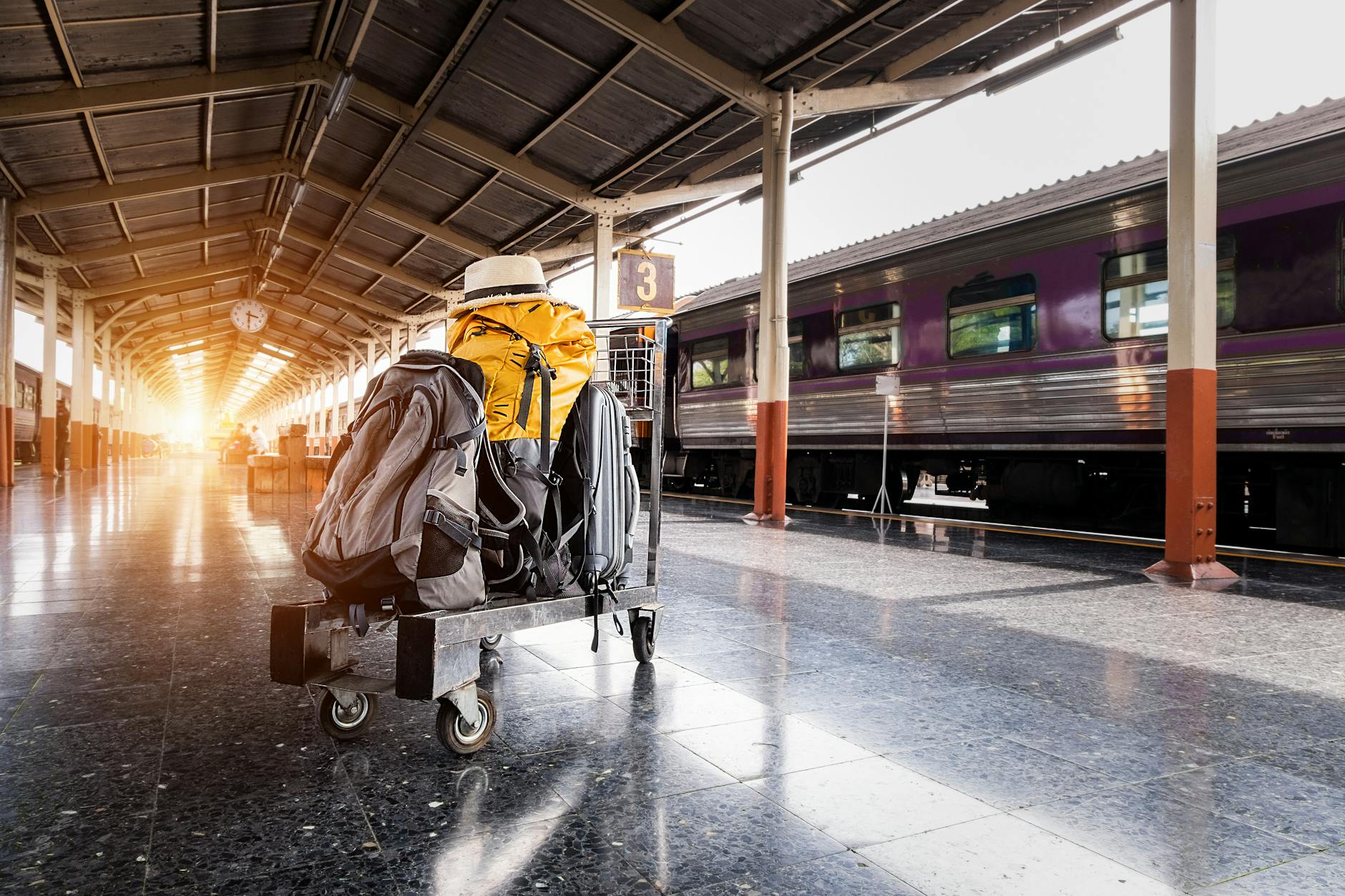
You have entered the realm of risk. You are gambling with time, trust, and your own sanity. But sometimes—sometimes—you need to check a bag. Or two. Or four. Maybe you’re on a long-haul. Maybe you’re hauling gear. Maybe you’re bringing presents or flying home or moving across the country and the overhead bin is not enough.
That’s fine. You’re not a failure. You’re just in a higher risk bracket.
Here’s how to survive it.
First: redundancy. Checked bags are the Wild West. They may arrive. They may not. The airport gremlins may decide your suitcase looks suspicious and launch it into a river. You must have a survival kit in your carry-on. One change of clothes. Toiletries. Meds. Power cords. A snack you can barter with. If your checked bag gets lost, this kit buys you 24 hours.
Second: don’t put your soul in there. Nothing irreplaceable. No sentimental nonsense. If it would ruin your trip to lose it, it does not go in the checked bag. That’s just common sense.
Third: weight discipline. You have space. That doesn’t mean you should fill it. Heavy bags break backs and burn money. You will pay for weight. You will suffer for weight. Be ruthless. Ask yourself: “Is this worth dragging across two continents and over a broken escalator?”
If yes, bring it. If no, burn it from your list.
Checked-bag travel is for:
- Extended stays
- Family trips
- Mechanics traveling across the country with their tools to fix a car. (Why?)
- Winter expeditions
- Portable culinary escapades where you need a whole kitchen set complete with a knife roll, various sized cutting boards, pots, pans, a colander, blender, cheese grater, and yes…the kitchen sink.
And while it feels like you have more room, what you really have is more opportunity to mess it up. Overpack. Forget where things are. Lose your socks in the side pouch of a suitcase buried under zip ties and despair.
Don’t let your checked bags become your enemy. Know them. Label them. Treat them like gear drops in a combat zone. You want to know what’s in each one, how fast you can access it, and what happens when it doesn’t show up.
Lastly: remember that people will judge you. Not because they care. But because seeing someone drag two giant bags through a train station inspires the same sympathy as watching a cat try to swim. It’s confusing. A little funny. Slightly sad.
Be better than that cat. Be aware. Be efficient. And, if nothing else, be strong enough to lift it yourself.
YOU ARE THE BAG
In the end, your luggage doesn’t matter. You do.
You can be the kind of traveler who moves through terminals like a fox through a forest—quick, quiet, untouchable. Or you can be the one who’s sweating into their fleece while rummaging through a wheezing roller full of tangled cords and regret.
How you pack says a lot. About how you plan. How you prioritize. How much chaos you can tolerate. There’s no perfect formula. But there is one perfect rule:
The less you carry, the more you see.
Now go. Choose your loadout. Accept the risks. Embrace the consequences.
And when the baggage claim carousel creaks to life, when the roller clicks over the curb, when the backpack digs into your shoulders for the fifth hour straight—just smile.
You did this on purpose.
Venture On.
 Salta
Salta 